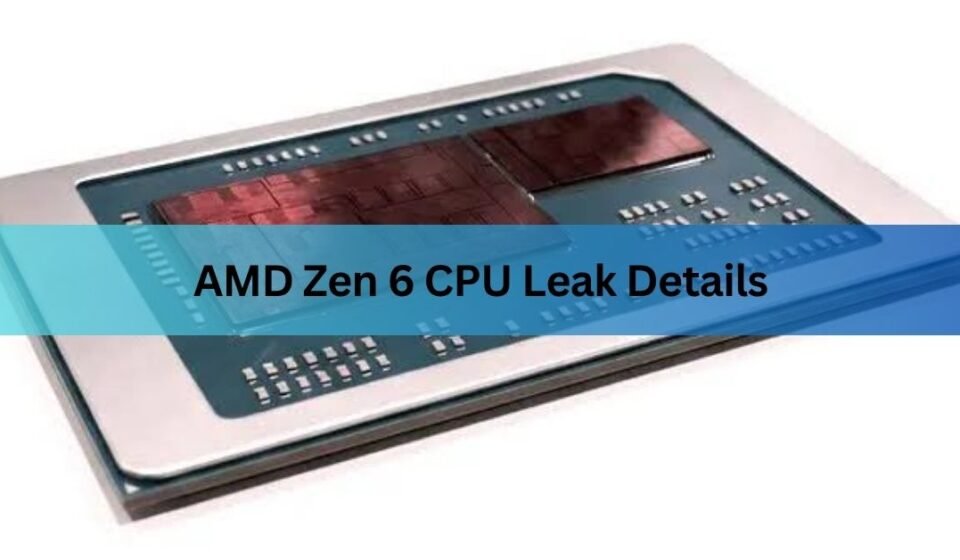
AMD Zen 6 CPU Leak Details: Everything We Know So Far About AMD’s Next-Generation Ryzen Processors

AMD Zen 6 is shaping up to be one of the biggest CPU upgrades in years. Current leaks point to higher core counts, larger cache, faster clock speeds, and noticeable performance gains while keeping compatibility with the AM5 platform. Although AMD has not officially confirmed every specification, multiple recent leaks paint a consistent picture of what enthusiasts can expect later in 2026.
If you’re planning a new PC build or wondering whether it’s worth waiting for Zen 6 instead of buying a Zen 5 processor today, this guide explains every major leak, what it could mean for gaming and productivity, and which details remain rumors.
Quick Look at the Biggest AMD Zen 6 Leaks
| Feature | Current Leak |
| Architecture | Zen 6 |
| Desktop Codename | Olympic Ridge / Medusa family |
| Maximum Desktop Cores | Up to 24 Zen 6 cores (rumored) |
| Cores Per CCD | 12 |
| L3 Cache Per CCD | 48 MB |
| Expected Boost Clock | Around 6.5–6.6 GHz |
| IPC Improvement | About 10% (rumored) |
| Platform | AM5 |
| Memory Support | DDR5 |
Most of these specifications come from engineering leaks rather than AMD announcements, so they should still be treated as unofficial until launch.
What Is AMD Zen 6?
Zen 6 is AMD’s next CPU architecture that succeeds Zen 5. It is expected to power future Ryzen desktop processors, EPYC server chips, and next-generation mobile processors.
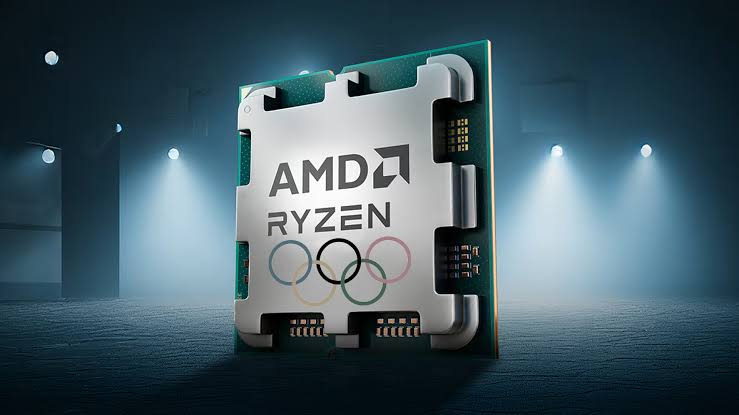
Every new Zen generation improves several important areas:
- Better instructions per clock (IPC)
- Higher operating frequencies
- More efficient power usage
- Larger cache
- Better multi-core performance
Zen 6 appears to improve every one of these areas at once.
Unlike small yearly refreshes, this looks more like a significant architectural update.
The Biggest Leak: 12 CPU Cores Per CCD
Perhaps the most exciting leak is AMD increasing each Core Complex Die (CCD) from 8 cores to 12 cores.
Since Zen 2, AMD has stayed with an 8-core CCD design. Zen 6 reportedly changes that for the first time.
That means a dual-CCD desktop processor could include:
- 24 performance cores
- 48 processing threads
- Much better multi-threaded performance
For professionals working with:
- Video editing
- Software compiling
- 3D rendering
- AI workloads
- Virtual machines
this could be one of AMD’s largest desktop performance jumps in years.
Larger 48 MB L3 Cache Per Chiplet
The cache system is also expected to receive a major upgrade.
Current Zen 5 desktop CCDs include:
- 32 MB L3 Cache
Zen 6 leaks suggest:
- 48 MB L3 Cache
That’s a 50% increase.
Cache acts as extremely fast memory located close to the processor cores. A larger cache reduces trips to system RAM and helps many applications complete work faster.
Games often benefit significantly from larger cache because:
- Physics calculations remain closer to the CPU
- AI routines access data faster
- Memory latency decreases
AMD has built much of its gaming leadership around large cache, especially with its X3D processors.
Key takeaway: More cores increase productivity performance, while larger cache usually improves gaming performance. Zen 6 appears designed to improve both at the same time.
Rumored Clock Speeds Above 6.5 GHz
Another headline leak involves operating frequency.
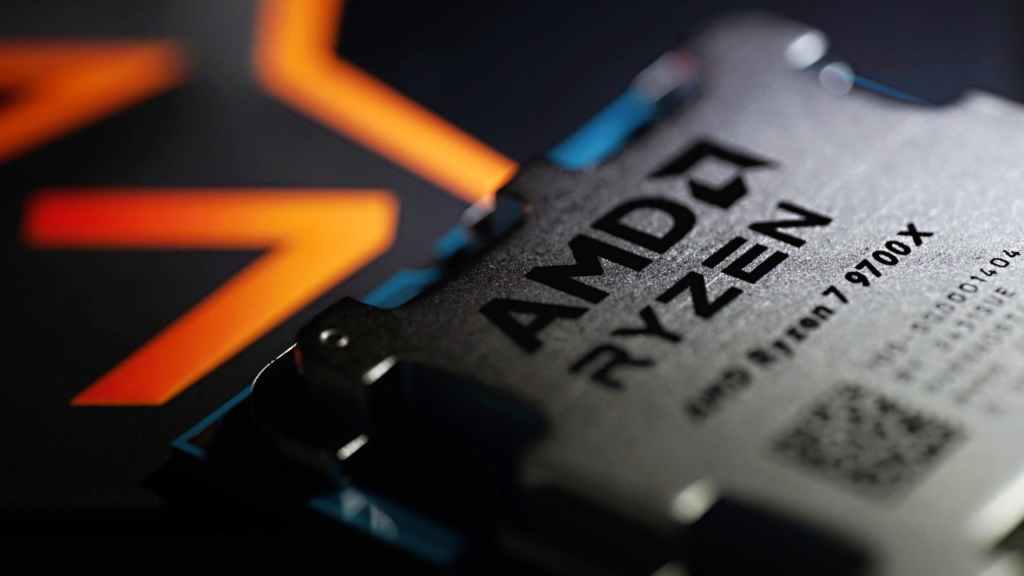
Engineering samples reportedly reached:
- 6.5 GHz
- Possibly 6.6 GHz
If retail processors achieve similar boost clocks, Zen 6 would become AMD’s highest-clocked consumer CPU ever.
Higher clock speed benefits workloads that rely on single-thread performance, including:
- Gaming
- Office software
- CAD
- Photoshop
- General desktop responsiveness
Clock speed alone never tells the whole story, but combining higher frequencies with architectural improvements could produce a noticeable jump in real-world performance.
IPC Improvements Could Reach Around 10%
IPC stands for Instructions Per Clock.
It measures how much work a processor completes during each clock cycle.
Even if two CPUs run at the same frequency, the one with better IPC finishes more work.
Current leaks suggest Zen 6 could improve IPC by roughly 10% over Zen 5, although exact gains will vary by workload.
Combined with:
- higher boost clocks
- more cache
- additional cores
overall performance improvements could become much larger than IPC alone suggests.
Will Zen 6 Continue Using the AM5 Socket?
Yes, all current reports indicate that AMD plans to keep desktop Zen 6 processors compatible with the existing AM5 platform.
That is excellent news for current Ryzen 7000, 8000, and 9000 owners.
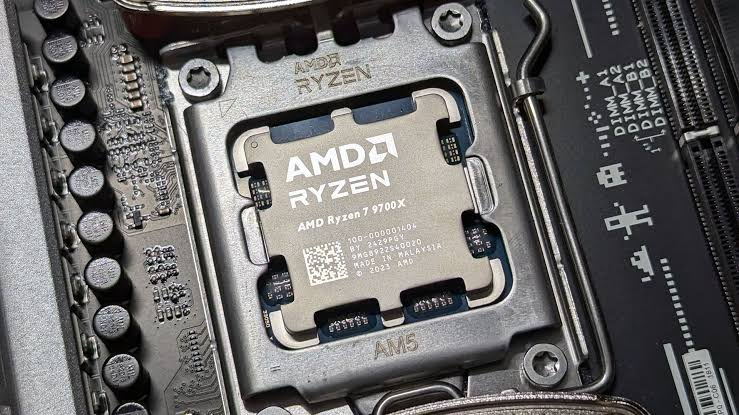
Instead of replacing:
- motherboard
- RAM
- cooler
many users may only need a BIOS update before installing a Zen 6 processor.
AMD has built a strong reputation for supporting sockets longer than many competitors, making upgrades more affordable.
Manufacturing Process and Efficiency
Zen 6 is expected to take advantage of TSMC’s newer manufacturing technology, enabling:
- better transistor density
- improved power efficiency
- higher frequencies
- reduced heat at comparable workloads
Smaller manufacturing nodes also help AMD fit more cores into a similar chip size while maintaining reasonable power consumption.
How Much Faster Could Zen 6 Be?
No independent benchmarks exist yet, but combining all current leaks provides a rough expectation.
Potential performance improvements may come from:
- Around 10% IPC gains
- Up to 50% more cores per CCD
- Larger L3 cache
- Higher boost frequencies
- Better memory support
The exact improvement will depend on whether you use your PC primarily for gaming, content creation, software development, or everyday work.
Gaming Performance Expectations
Based on the current leaks, Zen 6 could deliver one of AMD’s biggest gaming improvements in recent years. The combination of a larger cache, higher boost clocks, and architectural changes should reduce CPU bottlenecks in many modern games.
Games that are most likely to benefit include:
- Open-world titles with large maps
- Competitive esports games running at very high frame rates
- Strategy and simulation games that place heavy demands on the CPU
- Games paired with powerful graphics cards such as the latest Radeon RX or GeForce RTX models
If AMD also releases Zen 6 X3D models with 3D V-Cache, those processors could become the fastest gaming CPUs in AMD’s lineup, following the success of previous X3D generations.
Productivity Performance Could See an Even Bigger Jump
Gaming is only part of the story. Zen 6 appears to be designed with creators and professionals in mind.
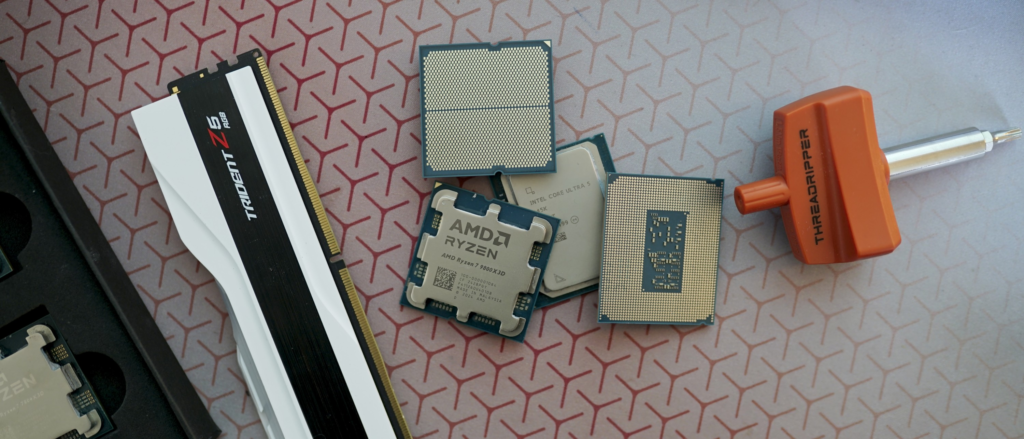
A 24-core mainstream Ryzen processor would provide far more computing power for demanding workloads such as:
- 4K and 8K video editing
- 3D rendering
- Software development
- AI model development
- Virtual machines
- Large photo editing projects
- Scientific computing
Applications that scale well with additional cores could see substantial performance gains compared to today’s 16-core flagship Ryzen processors. Exact improvements will depend on software optimization and final retail specifications.
AMD Zen 6 vs Zen 5
| Feature | Zen 5 | Zen 6 (Leaked) |
| Maximum Cores per CCD | 8 | 12 |
| Maximum Desktop Cores | 16 | Up to 24 |
| L3 Cache per CCD | 32 MB | 48 MB |
| IPC | Current baseline | Around 10% higher (rumored) |
| Maximum Boost Clock | Up to 5.7 GHz | Around 6.5–6.6 GHz (rumored) |
| Platform | AM5 | AM5 |
| Memory | DDR5 | DDR5 |
Although every leaked specification still awaits official confirmation, the overall direction suggests AMD is improving nearly every major aspect of desktop CPU performance.
Should You Wait for Zen 6?
The answer depends on your current PC.

Wait for Zen 6 if:
- You already own a Ryzen 7000 or Ryzen 9000 processor.
- You want the best gaming performance.
- You regularly edit videos or render 3D projects.
- You plan to keep your next PC for several years.
Buy Zen 5 now if:
- You need a computer immediately.
- Your current PC is several generations old.
- You find a strong discount on Ryzen 9000 processors.
- Your workload doesn’t require the newest hardware.
Since Zen 5 remains a very capable platform, buying now is still a sensible choice for many users. Zen 6 is expected to raise the performance ceiling rather than make existing Ryzen chips obsolete.
Expected Release Window
AMD has confirmed that Zen 6 processors are on its roadmap, but it has not announced the complete desktop Ryzen lineup or launch schedule.
Current reports suggest:
- Server-focused Zen 6 products are expected first.
- Desktop Ryzen processors should follow afterward.
- AM5 motherboard compatibility is expected to continue, supporting AMD’s long-term socket strategy. AMD has also confirmed support for the AM5 platform through 2029, giving users a longer upgrade path.
As with all unreleased hardware, launch timing and final specifications can still change before the official announcement.
For the latest official processor announcements and product information, visit the AMD website:
What These Leaks Mean for PC Builders
If the leaked specifications are accurate, Zen 6 could become one of AMD’s most significant desktop CPU releases.
The move from 8 to 12 cores per chiplet is a major architectural change. Combined with larger cache, higher clock speeds, and improved efficiency, Zen 6 has the potential to deliver meaningful gains in both gaming and productivity.
For users already on the AM5 platform, the prospect of upgrading without replacing the motherboard makes Zen 6 especially attractive.
At the same time, it’s worth remembering that leaked information can change before launch. Until AMD publishes the final specifications, every reported feature should be viewed as preliminary.
Frequently asked questions
Is the AMD Zen 6 CPU officially announced?
AMD has confirmed that Zen 6 is part of its future roadmap, but the complete desktop Ryzen specifications have not yet been officially announced. Many current details come from credible industry leaks.
Will Zen 6 work with existing AM5 motherboards?
Current reports indicate yes. AMD has continued extending AM5 support, making Zen 6 compatibility with existing AM5 motherboards highly likely, subject to BIOS updates.
How many cores will AMD Zen 6 have?
Leaks suggest mainstream Ryzen processors could reach 24 cores by using two 12-core chiplets. Final configurations will be confirmed at launch.
How much faster will Zen 6 be than Zen 5?
Exact performance is unknown until independent reviews are available. Current leaks suggest around 10% IPC improvement, along with higher clock speeds, more cores, and larger cache, which together could produce much larger gains in real-world workloads.
Should I upgrade to Zen 6 or buy Zen 5 today?
If you need a PC immediately, Zen 5 remains an excellent choice. If you can wait and want the newest architecture with potentially much higher performance and a longer upgrade lifespan, Zen 6 is worth watching as its launch approaches.
Conclusion
The latest AMD Zen 6 CPU leak details point toward a substantial upgrade over Zen 5. Rumored improvements include up to 24 desktop cores, 12-core CCDs, 48 MB of L3 cache per chiplet, higher boost clocks exceeding 6.5 GHz, and improved IPC, all while continuing support for the AM5 platform. If these specifications reach retail products, Zen 6 could become one of AMD’s strongest Ryzen generations for both gamers and professionals.
Recommended Articles: