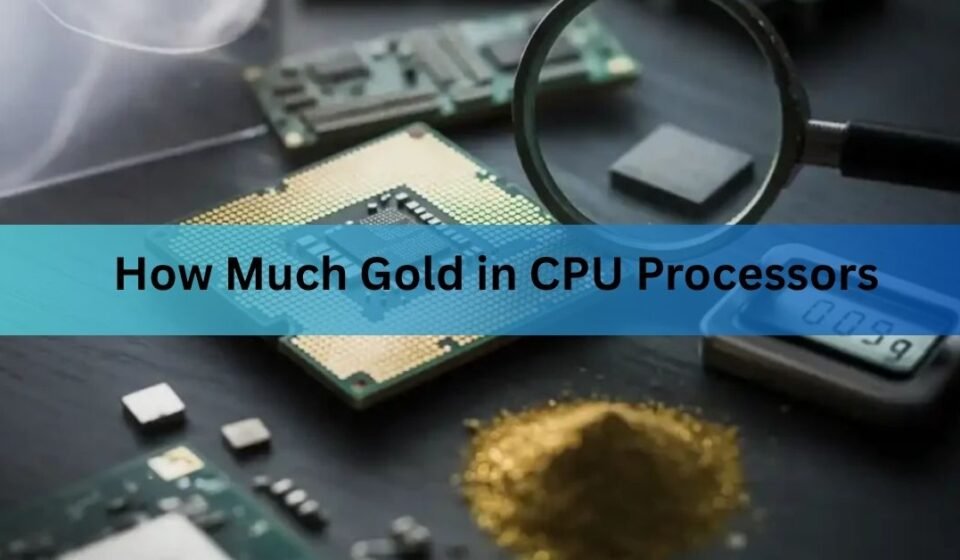

CPU processors do contain real gold, but the amount inside each processor is much smaller than most people expect. Gold is used because it is an excellent conductor of electricity and does not rust or corrode over time. These properties make it perfect for tiny electrical connections inside computer processors.
If you have ever wondered whether old CPUs are worth collecting for gold recovery, the short answer is yes, but only in large quantities. A single modern processor contains only a tiny amount of gold. Older processors, especially ceramic models made in the 1980s and 1990s, usually contain more recoverable gold than today’s chips.
In this guide, you’ll learn exactly how much gold is in CPU processors, why manufacturers use it, which CPUs contain the most gold, and whether recycling processors for gold is actually profitable.
Why Is Gold Used in CPU Processors?
Gold is one of the best metals for electronic components because it offers several important advantages.
It conducts electricity extremely well, allowing electrical signals to travel quickly and reliably between tiny circuits. Unlike copper or silver, gold does not oxidize when exposed to air or moisture. That means electrical connections remain stable for many years.
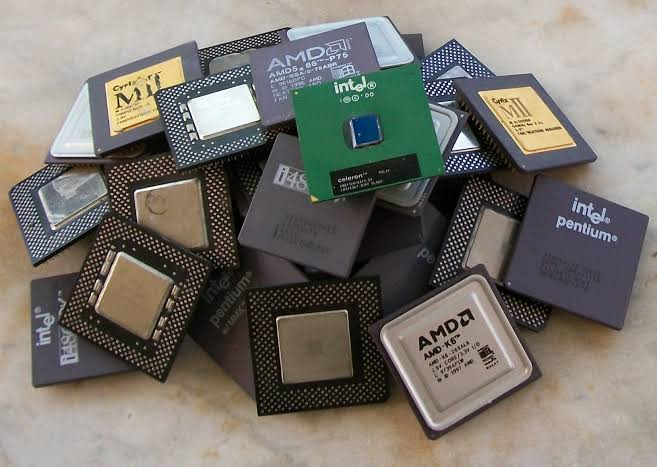
Manufacturers also use gold because it is soft and easy to shape into extremely thin bonding wires. These microscopic wires connect the silicon chip inside the processor to the external pins or contact pads.
Although gold is expensive, only tiny amounts are needed. The performance benefits easily justify its use in critical electronic components.
How Much Gold Is in a CPU Processor?
The amount of gold depends on the processor’s age, design, and manufacturer.
Modern desktop and laptop processors contain very little gold. In many cases, the total recoverable gold weighs only a few milligrams.
Older ceramic processors usually contain significantly more gold because they have thicker gold plating and larger internal bonding wires.
The table below gives a general comparison.
| CPU Type | Gold Content | Recovery Value |
| Modern Intel or AMD CPU | Very Low | Usually less than $1 |
| Older Ceramic CPU | Moderate | Several dollars each |
| High-End Server CPU | Low to Moderate | Depends on model |
| Mobile Phone Processor | Very Low | Better recovered in bulk |
These figures vary depending on the processor generation and current gold prices.
Which CPU Processors Contain the Most Gold?
Not every processor contains the same amount of gold.
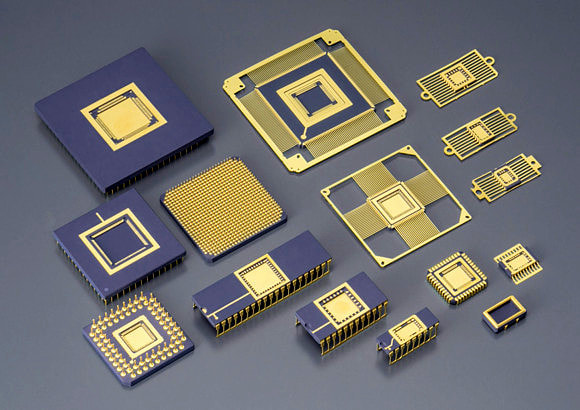
Some of the most valuable processors for recycling include:
- Older Intel Pentium Pro processors
- Intel 486 ceramic CPUs
- Intel 386 ceramic processors
- AMD ceramic processors from the 1990s
- Military-grade ceramic CPUs
These processors often feature gold-plated lids, gold pins, and numerous internal gold bonding wires.
Modern Intel Core and AMD Ryzen processors are much more compact and use far less gold because manufacturing technology has improved significantly.
Where Is the Gold Located Inside a CPU?
Gold is not spread evenly throughout the processor.
Instead, manufacturers use it in specific areas where reliability matters most.
The main locations include:
- Gold bonding wires connecting the silicon die
- Gold-plated contact pads
- Gold-plated pins on older processors
- Thin layers inside packaging materials
The processor itself is still mostly made from silicon, copper, aluminum, plastic, ceramic, fiberglass, and other materials.
Can You See the Gold?
Sometimes.
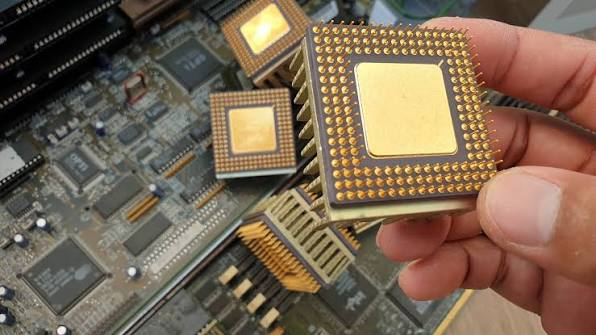
Older ceramic CPUs often have visible gold-colored pins and lids.
Modern processors usually hide the gold inside the package, making it impossible to see without destroying the chip.
Even when you see gold-colored contacts, the plating is extremely thin.
Is Recovering Gold from CPUs Worth It?
For most individuals, recovering gold from a handful of processors is not profitable.
Professional recycling companies process thousands of kilograms of electronic waste at one time. This allows them to recover enough precious metals to cover labor, equipment, and chemical costs.
Recovering gold from a few home computers rarely produces enough gold to justify the effort.
The process also involves hazardous chemicals such as nitric acid and hydrochloric acid, which require proper safety equipment and legal disposal methods.
For that reason, selling old CPUs to a certified electronics recycler is often the safer and more practical choice.
What Other Precious Metals Are Found in CPUs?
Gold is not the only valuable metal inside electronic components.
Processors may also contain very small amounts of:
- Silver
- Palladium
- Copper
- Tin
- Nickel
Motherboards, RAM modules, expansion cards, and connectors also contain recoverable precious metals.
When processed together in large quantities, these materials become much more valuable than individual CPUs alone.
Factors That Affect Gold Content
Several factors determine how much gold a processor contains.
Age
Older processors generally contain more gold.
Package Material
Ceramic CPUs usually contain more recoverable gold than plastic-packaged CPUs.
Manufacturer
Different manufacturers use different production methods.
Purpose
Military and industrial processors often contain more gold because they must remain reliable under extreme conditions.
Manufacturing Technology
Modern chip manufacturing focuses on reducing material costs while maintaining excellent performance.
Key Takeaway: A single CPU contains real gold, but the amount is tiny. Older ceramic processors offer the best chance of recovering valuable quantities, while modern CPUs are best recycled in bulk.
Frequently Asked Questions
How much gold is in one CPU processor?
Most modern CPUs contain only a few milligrams of gold. Older ceramic processors usually contain more, making them more attractive for recycling.
Which CPU has the highest gold content?
Older ceramic processors, especially Intel Pentium Pro, Intel 486, and similar models from the 1980s and 1990s, generally contain the most recoverable gold.
Can I make money by extracting gold from CPUs?
It is usually profitable only when processing large quantities of electronic waste. Recovering gold from a few processors rarely covers the cost and effort involved.
Why do CPU manufacturers still use gold?
Gold offers excellent electrical conductivity and does not corrode, making it ideal for tiny electrical connections inside processors.
Are modern CPUs worth recycling?
Yes. Although modern CPUs contain very little gold, recycling helps recover valuable materials and prevents electronic waste from ending up in landfills.
Conclusion
CPU processors do contain real gold, but the amount varies greatly depending on the processor’s age and design. Modern processors contain only tiny quantities, while older ceramic CPUs may contain several times more. Gold remains an essential material because it provides reliable electrical connections that last for decades. If your goal is to recover gold, collecting large amounts of older processors is far more practical than processing a few modern chips.
Recommended Articles: